
The Altadena and Pasadena Fire: By a Local


At 5:30 am on Wednesday, January 8th, I turned the corner off my street in Pasadena onto N. Catalina Avenue. When I reached New York Drive—the street perpendicular to Catalina in Altadena—I saw the house across the street was on fire. Flames, higher than most of the rooftops in the neighborhood, reached the middle of the tall palm trees lining the streets. I drove across New York Drive and turned left onto Mar Vista, one of my favorite streets in Altadena. A street I had walked hundreds of times. All I could see was a blood-orange sky illuminated by the Eaton Canyon fire blazing and spreading all night.
My neighborhood was swallowed by an inferno. The California sky, the palm trees, and the historic homes were all blurred by heavy smoke and glowing red light. I was the only person around. Driveways, usually occupied by at least two cars, were empty.
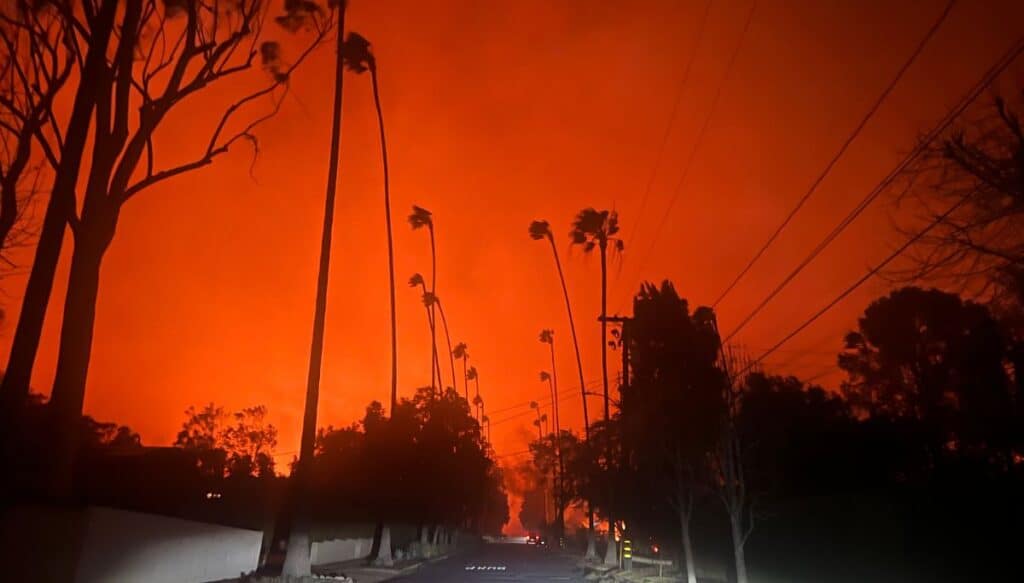
My home in Pasadena is about four and a half blocks from the border of Altadena, where the two towns meet. Several days later, firefighters were able to hold the line, preventing the Eaton fire from spreading south toward many homes in Pasadena, including mine.
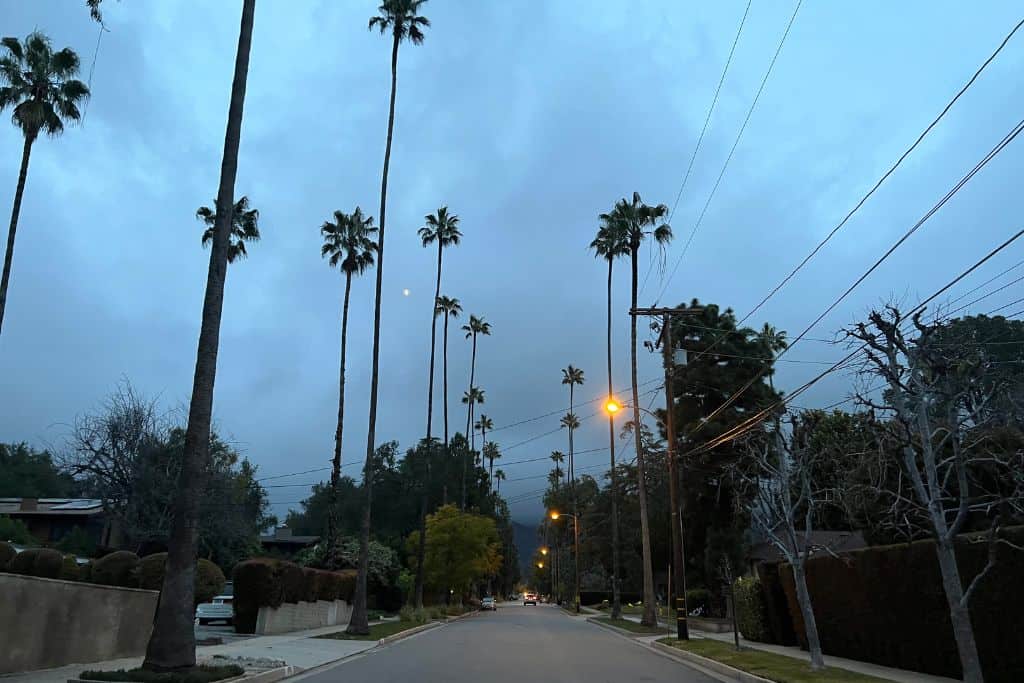
Most of my neighbors had evacuated the night before on Tuesday, January 7th. I felt like the sole survivor after a nuclear fallout. The firefighters were farther up the hill, trying desperately to hold the line. The streets were silent, except for the relentless roar and crackling of fire, insistent on consuming more homes despite heroic efforts to stop it.


I stopped my car in the middle of the street, stunned. I exited the car into a swirl of smoke as heavy as pea soup. Mouth agape, I snapped a few pictures, desperate to capture the surreal moment. I then jumped back in my car and turned around. I was tempted to drive further into the fire to witness its destruction, but I knew better. This human curiosity to check on my neighborhood stayed with me all week. I backed down the four blocks to my home, packed up my two cats, and drove them to a friend’s house in central Pasadena, further away from the danger. My daughter and I had spent the previous night there, hoping the fires would be under control by morning.
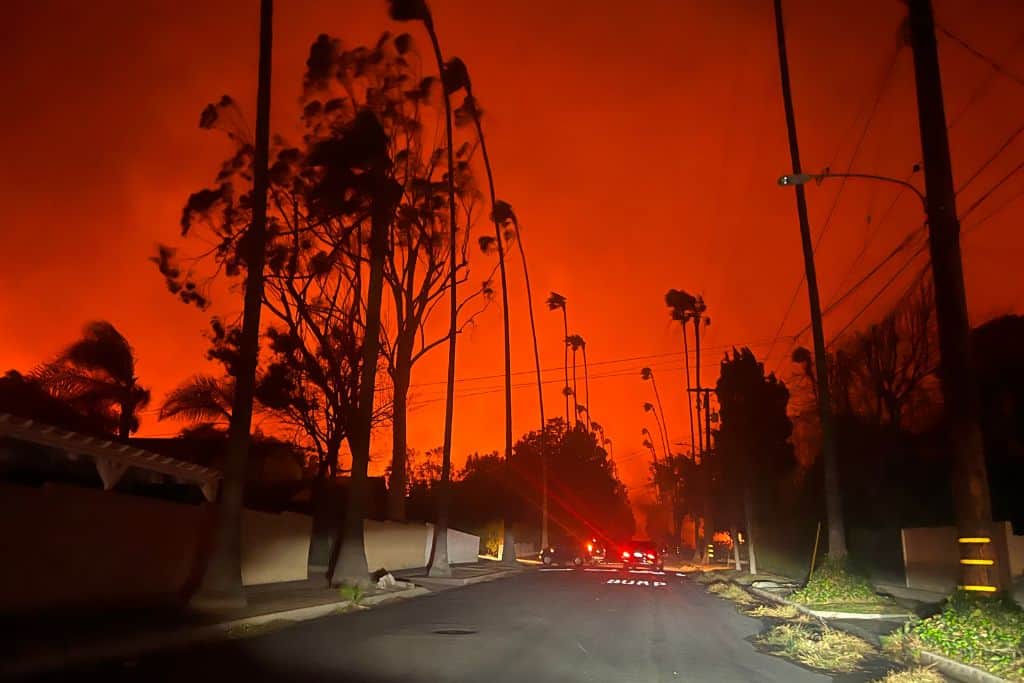
Zero percent contained.
When you witness something like that, time stands still.
That image is seared into my mind, moving in slow motion like a scene from a movie—beautiful, awe-inspiring, and humbling all at once. It reminded me of life’s impermanence and the futility of control. Despite my cautious efforts to maintain an orderly, methodical existence, I was powerless in the face of this fire. How much control do we really have over the larger forces shaping our lives?
No one escapes life completely unscathed. I’ve survived my share of hardships: a tumultuous divorce and moments of despair so deep I wasn’t sure I’d make it through. The only thing that mattered during that ordeal was not losing time with my then five-year-old. But there’s something about facing tragedy—when your life or way of life is tangibly threatened—that jolts you awake. It’s a visceral reminder to live in the present, a clarity that’s hard to sustain once the crisis passes. Why does it take a catastrophe to appreciate the now? Why can’t we carry that aliveness into the mundane rhythms of daily life?
The night before, my daughter and I had hurriedly left our home, thinking the fires would be somewhat contained by morning.

We each took a suitcase. She packed sentimental treasures: journals, letters, my wedding album with pictures of her father and me. I grabbed my fine jewelry, my pickleball paddle, and—somewhat hilariously—my vibrator. Hey, I had no idea how long I’d be away! The coming weeks would be stressful; the latter two items were mandatory for survival and a cool head.
In moments like that, your priorities reveal themselves in unexpected ways. Since my daughter and animals were safe, my fine jewelry and vibrator seemed the next logical items to pack.

When I returned that morning, Wednesday, at 5:30 am, to check on our house, I was stunned to see the sky painted in flames. Not only was the fire *not* contained as I thought it would be, but it had quadrupled in size.
Panicked but determined, my daughter and I made several trips to and from the house, loading our car with belongings and memories to take to a friend’s. Each trip felt like an exercise in regaining control, no matter how small.
Zero percent contained.
No control.

My daughter found stacks of my old journals in the garage and insisted we take them. I’m grateful she did. Her priorities revealed the person I raised.
At my friend’s house where we were staying, the local news with images of burning homes and buildings flashed as my daughter and I carried in our life’s memories stuffed hurriedly into cardboard boxes.
This is the only thing I can control right now.
Zero percent contained.
Between trips, I climbed onto a picnic table with a hose and watered the roof of our house, trying to stave off further disaster. My daughter held the chair steady beneath me as ash rained around us. I climbed onto my roof and cleared the gutters of dried debris. It felt futile, but it gave me a sense of purpose amidst the chaos.
Zero percent contained.
Our street was eerily empty except for a few neighbors, including a retired firefighter who reassured us that the line at New York Drive would hold. We wore masks, cleared brush, and kept an eye on each other. In the face of disaster, neighbors I barely knew showed extraordinary kindness and solidarity.
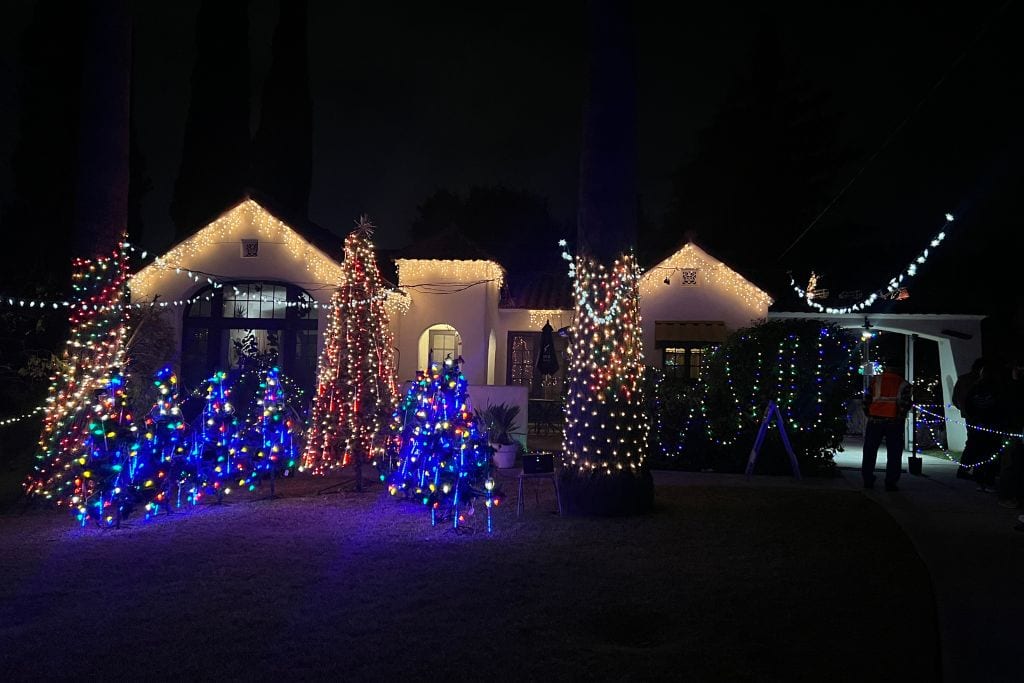
It took firefighters days to contain the Eaton Canyon fire. As of this writing, it is 81% contained, but more winds are expected next week, making their job more daunting.
No control.
Our home survived, but many of my friends weren’t so fortunate.
My daughter, who had just started her first year of college in September, watched as friends from our neighborhood returned home for winter break only to see their childhood memories reduced to ash. This generation has endured so much—pandemics, school shootings, political turmoil—and now, climate disasters are a part of their lives, too.
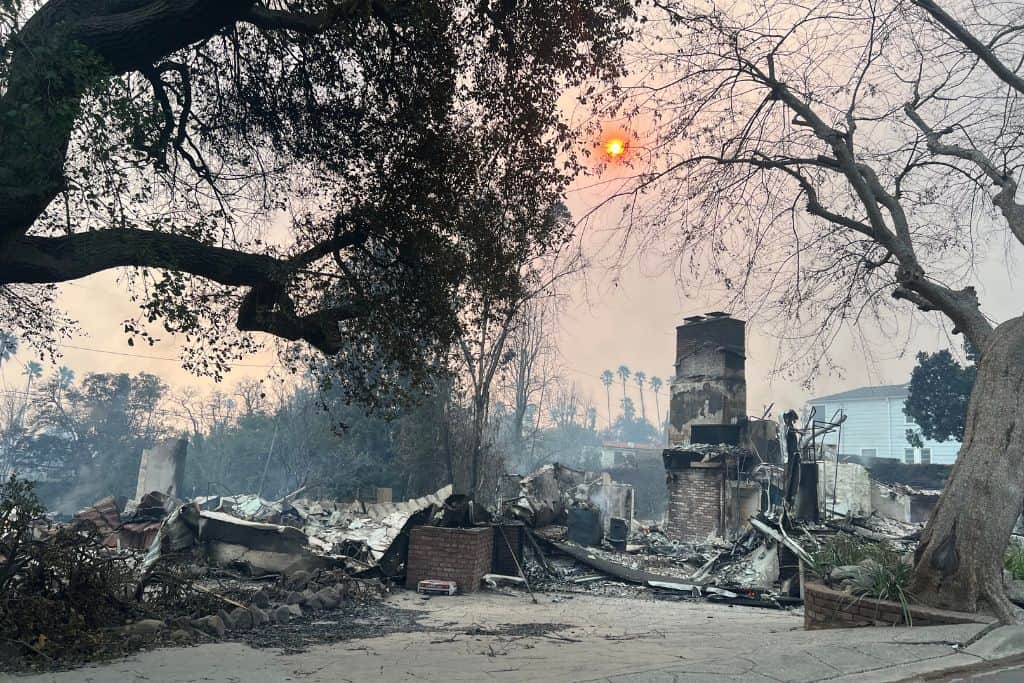
Places where we gathered as a community in Pasadena and Altadena are gone: Café De Leche, Altadena Hardware, Side Pie, El Rancho (ugh), The Pasadena Waldorf School, Aveson, Odyssey, the Rand McNally mansion, and countless others.
The fires in Los Angeles are the worst natural disaster in US history.
Thirty active wildfires raged across the region, burning 40,000 acres—the size of Washington, D.C. Over 13,000 structures, including historic homes, churches, museums, and businesses destroyed. At least 27 lives were lost and counting.
The Pacific Palisades and Altadena were decimated.
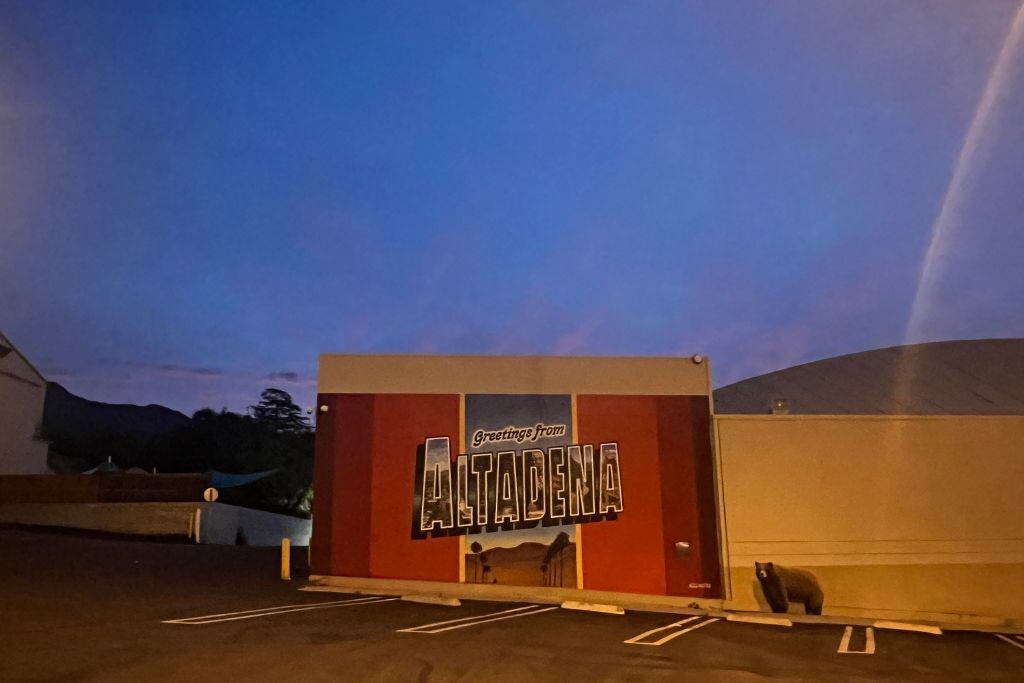
These cities will be rebuilt, but they will never be the same.
This disaster was fueled by Los Angeles’ strongest winds and a season of severe drought, stark evidence of climate change’s growing impact. It’s a reminder that while we can’t control nature, we can confront the reality of its power—and our responsibility to protect what remains.

Los Angeles is always the first in everything; it’s the capital of the future in American life, for better or worse. What happened here is a forecast for other states; heed the warning. Many of the issues the country is dealing with and will be dealing with, such as cultural changes, demographic changes, and economic changes, happen in Los Angeles first. Sadly, the firestorms in LA are another example of that. Climate disasters will become more frequent everywhere. Coastal states in the southeast deal with hurricanes, and the southwest deals with fires. These regions are most at risk. But Ashville, NC, is not in either of those parts of the country; it just flooded.

Most places in the United States will face climate change disasters unless we mitigate or slow climate deterioration. If we don’t act now or yesterday, some version of this will come to other states.
If we allow this trajectory of extreme weather to go uninterrupted, what will our world look like in 2035?

For more on traveling to California, check out “Is California Safe for Travel Now?“
California Travel Planning Guide
🚑 Should I buy travel insurance for California?
100% YES! – With basic coverage averaging $1.50 USD per day, enjoy peace of mind with a plan from SafetyWing, one of the biggest names in travel insurance. (Read more)
💦 Can you drink the water in California?
Yes — But I wouldn’t. It doesn’t taste very good and there are contaminants in it. You’ll want to buy a Water-To-Go Bottle, which filters drinking water while on the go (traveling) and helps keep you hydrated.
🚙 Is it safe to rent a car in California?
Yes — Renting a car in California is one of the best ways to explore this vast, awesome state, and kind of a must! I always rent with Discover Cars, which checks both international companies and local California companies, so you get the best rates. (read more)
🏨 What’s the best way to book my California accommodations?
For California hotels, Booking is the best site, but for hostels, use Hostel World. If you’re considering a California Airbnb, don’t forget also to check VRBO, which has better rates than Airbnb.
🧳 What do I pack for California?
Head to the Ultimate California Packing List to get all the information you need about packing for a trip to California.
🛫 What’s the best site to buy airfare to California?
For finding cheap California flights, I recommend Skyscanner.


